





You’re not imagining it. You can be crushing your work and still feel like you’re… background noise. Not hated. Not failing. Just oddly unseen.
We’ve worked with high performers who keep a whole function afloat and still get introduced like they’re “helping out.” It messes with your head. And your motivation. And your willingness to keep giving 110%.
So let’s talk about why you feel invisible at work. And what actually changes it.
Reason 1. Your work is high quality but low visibility
Look, excellence isn’t always loud. A lot of high performers default to quiet competence. You deliver. You fix. You prevent disasters nobody knows were coming. And then… nothing. No credit. No pull. No momentum.
That’s not because your work doesn’t matter. It’s because people can’t value what they can’t see clearly.
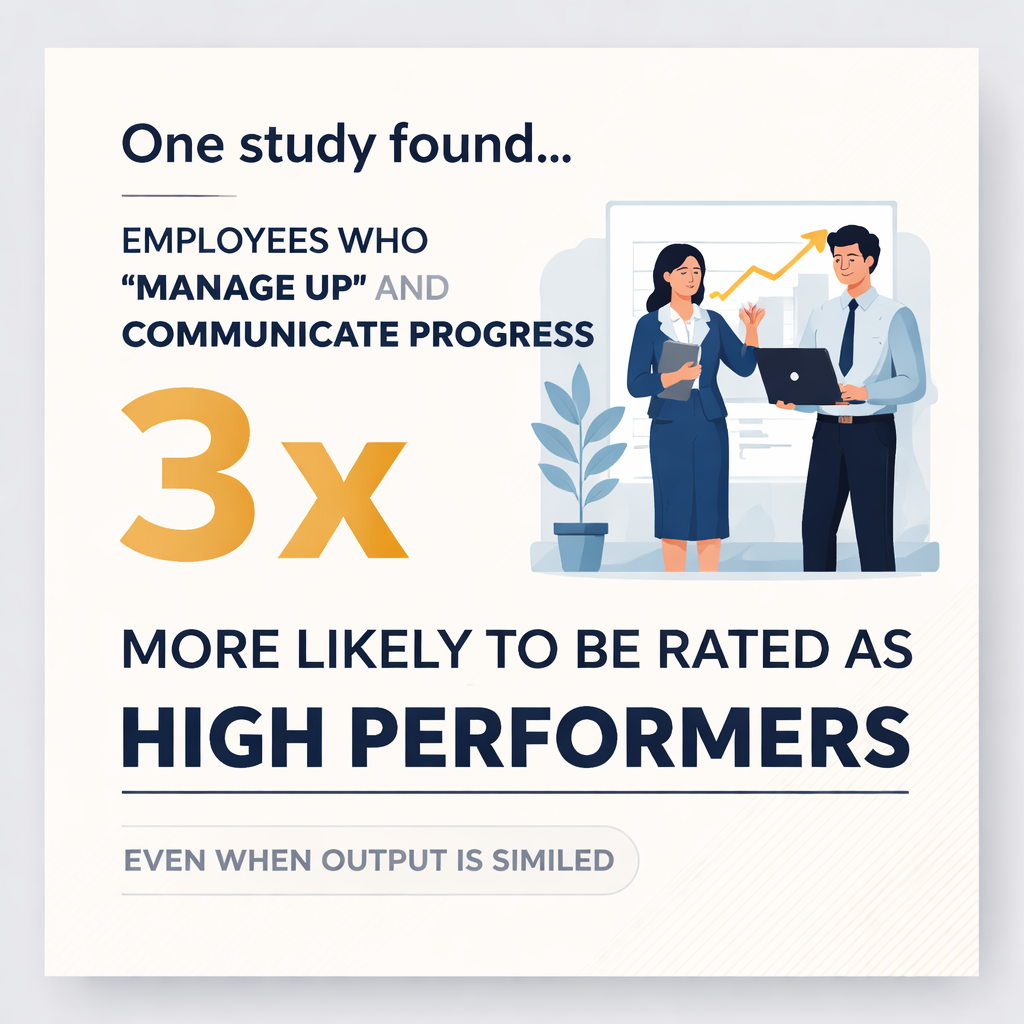
One study found employees who “manage up” and communicate progress are significantly more likely to be rated as high performers, even when output is similar. That’s uncomfortable. Also real.
What we see in our experience
When we coach new managers, the first thing we check is whether they’re narrating their work. Not bragging. Narrating. There’s a difference that lessons you feeling invisible at work.
Most teams run on incomplete information. Leaders have 7 meetings a day. Your project is one of 38 tabs.
What to do this week
- Send a two-line weekly update. One win. One next step. One risk (if there is one).
- Use outcome language. “Reduced cycle time” beats “worked on the workflow.”
- Attach your work to a priority your boss already cares about.
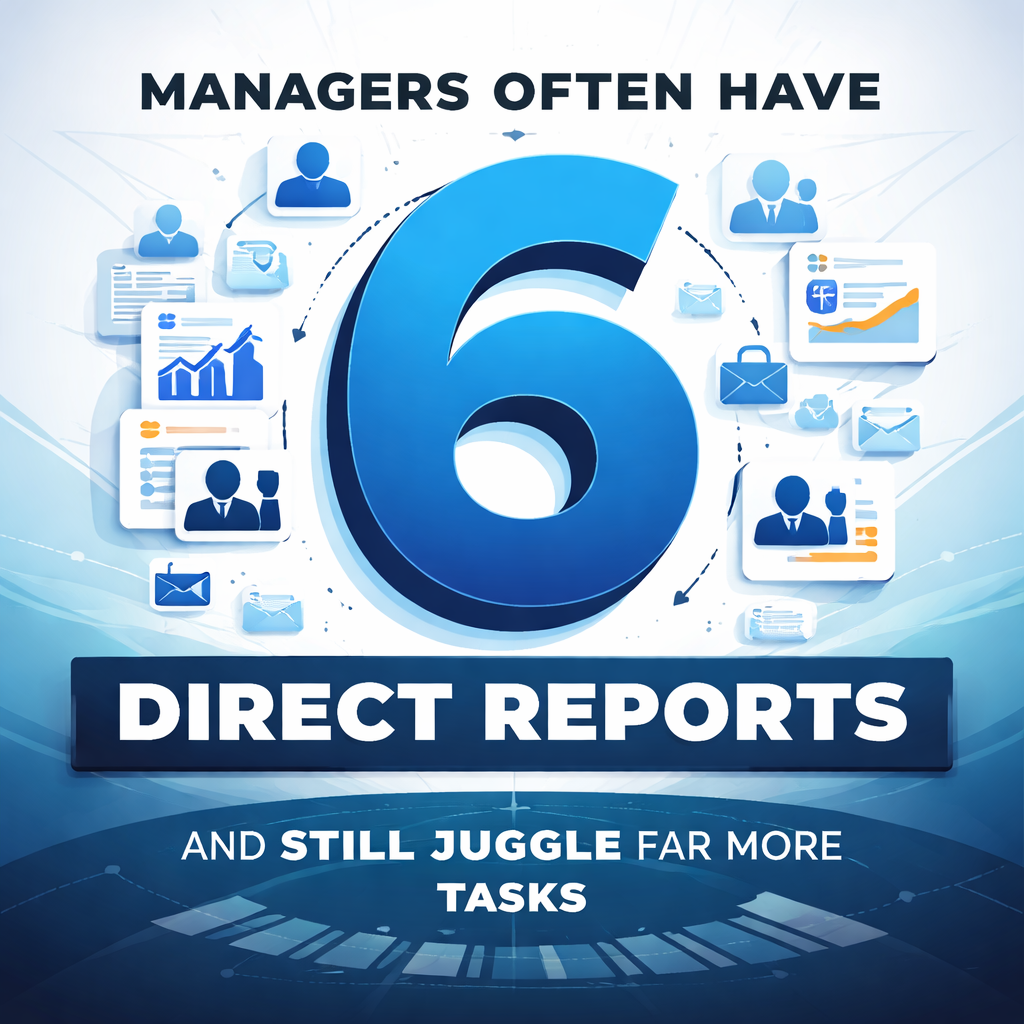
In large orgs, managers can have 6 to 10 direct reports and still be accountable for far more cross-functional work, which means attention is scarce by design. So, we make your work easier to notice. Not harder to do.
Reason 2. You’re reliable, so people stop looking closely
Honestly? Reliability can backfire. You become the “safe pair of hands.” People assume you’ve got it. They stop checking in. They stop asking how you want to grow. They stop thinking about your next role.
It’s not malicious. It’s inertia.
Gallup has consistently found that frequent, meaningful feedback is tied to higher engagement, yet many employees still report getting feedback only a few times a year. When you’re reliable, you often get even less. Because you’re “fine.”
The trap: being low maintenance
I used to think being easy to manage was the gold standard. Turns out it can make you invisible. Low maintenance turns into low attention.
And low attention turns into “we didn’t think you wanted that promotion.” Oof.
What actually helps
- Ask for a growth conversation explicitly. Not a status update. A growth conversation.
- Bring two options. “I’m thinking about track A or track B. Which one would you back?”
- Make your ambition specific. Not “I want to lead.” More like “I want scope over X.”
Reason 3. You’re doing essential work that isn’t rewarded
Some work keeps the place functioning. Onboarding. QA. Documentation. Catching edge cases. Cleaning up messes. It’s honorable. It’s also often treated like air. Necessary. Not praised.
And if you’re the person who always says yes to that stuff, you can end up with a calendar full of “important” and a career that feels weirdly stuck.
Research on “non-promotable tasks” shows women, in particular, are asked to do more of this work and are more likely to accept it, which can reduce time available for high-visibility projects. That pattern hits plenty of men, too, depending on team dynamics. The point is the same. Some work doesn’t translate into advancement; it translates into feeling invisible at work.
How to spot it fast
Ask one blunt question: “If I do more of this, does it change my trajectory?” If the answer feels fuzzy, that’s your signal.
A clean way to renegotiate
- Keep doing the task. For now.
- But trade it. “I can own onboarding, and I’d like to lead the next customer rollout.”
- Or time-box it. “I’ll cover this for 6 weeks while we train someone else.”
Reason 4. Your manager isn’t a good amplifier
Real talk: Some managers don’t sponsor. They supervise. They assign work. They approve PTO. And they don’t connect your contributions to broader narratives that matter in promotion rooms.
That’s not always because they’re selfish. Sometimes they’re overwhelmed. Sometimes they don’t know how. Sometimes they don’t see it as their job.
In Gartner research, employees with strong manager support are significantly more likely to be high performers and to stay longer, underscoring how much the manager-as-amplifier role shapes outcomes. When that support is missing, your impact can stay trapped at the team level, causing you to feel invisible at work.
What we recommend when your manager is “meh” at this
Create assets they can forward. Seriously. Make it frictionless.
- A one-slide recap after major work. Problem. Action. Outcome. Next.
- A short brag doc. We know. Cringe. Still works.
- Two talking points you want repeated in leadership meetings.
And yes. Ask directly. “Can you share this in your staff meeting?” Don’t hint. Don’t hope.
Reason 5. You’re respected but not “felt”
This one surprises people. You can be admired and still not matter to the room. Not because you’re cold. Because you haven’t built enough relational weight.
We’re not talking about being fake. We’re talking about being known.
Gallup reports that having a best friend at work is strongly associated with engagement, and engagement is tied to performance and retention. You don’t need a best friend. You do need a real connection. Especially if you want influence.
How invisibility at work shows up here
You speak in meetings, and nobody reacts. Or someone repeats your idea and it lands. You get invited late. Or not at all.
This bugs me. Because it’s not always about merit. It’s about familiarity.
Two moves that build connection without becoming “social”
- Do micro-context sharing. “Quick heads-up, here’s what I’m seeing from support tickets.”
- Have one 15-minute relationship slot a week. One person. No agenda. Just, “How’s your world?”
Reason 6. You’re waiting to be picked instead of positioning yourself
High performers often have this belief: “If I keep doing great work, someone will notice.” Sometimes that happens. Often it doesn’t. Not because people are cruel. Because organizations don’t run on perfect information.
So we position. We don’t wait.
In many internal promotion processes, visibility of impact across stakeholders is a major factor, and peer input can materially influence outcomes. Translation: you need more than your manager to know what you’ve done.
Positioning without self-promotion overload
Try this script. It’s simple. It doesn’t feel gross.
“I’m aiming to take on more scope in X. I’ve been doing Y, and the result has been Z. What would you need to see from me in the next 60 to 90 days?”
Now you’re not asking for approval. You’re asking for a runway.

Reason 7. You’ve lost your sense of mattering
Here’s the deeper layer. Feeling invisible at work isn’t only about career mechanics. It’s about psychological need. Being seen. Being valued. Being needed. When that’s missing, even wins feel flat.
And when you’re in that state, you tend to shrink. You talk less. You volunteer less. You stop pitching. You stop reaching. It becomes a loop.
The APA’s Work in America surveys have repeatedly found that a large share of workers report work-related stress and negative impacts on wellbeing. When stress climbs, connection drops. Recognition drops. It compounds.
What The Mattering Effect changes
Our team built The Mattering Effect as a science-backed framework and a practical ecosystem. Book plus methodology. Tools you can actually use on a Tuesday, not just think about on a Sunday night.
We focus on rebuilding three things: being seen, being valued, being needed. Then we convert that into action. Clear asks. Cleaner boundaries. Better relational signals. More impact.
If you want the framework and the tools, we’d point you here: Explore The Mattering Effect.
How to change the pattern without becoming someone you’re not
So, what now? Not a personality transplant. Not forced extroversion. Not “networking” in the gross sense.
We go for small, repeatable behaviors that create proof. Proof of impact. Proof of leadership. Proof of belonging.
1. Build a simple visibility rhythm
One weekly note. One monthly recap. One quarterly “here’s what I delivered” conversation.
Microsoft’s Work Trend Index reports that meeting volume and digital communication have risen substantially since 2020, making concise written updates more valuable than ever. Short beats perfect.
2. Make your work legible to non-experts
You know that moment when leadership nods politely because they don’t fully get what you do? Yeah. That’s a legibility problem.
Swap internal jargon for outcomes. Reduce risk. Increase speed. Improve quality. Protect customers. Keep compliance clean. Choose two.
3. Ask for sponsorship, not feedback
Feedback is “how am I doing.” Sponsorship is “will you back me.” Different ask. Different result.
Try: “I’d love you to be in my corner for the next role. What would make that easy for you to say out loud?”
4. Stop over-functioning quietly
This is the hardest one. If you fix everything silently, you train the system to rely on your silence.
Surface trade-offs. Early. Calmly.
“I can do A and B. If we want C, we need to move the deadline or add help.”
FAQs for 7 Reasons You Feel Invisible at Work And How to Change It
How do I get recognized at work without sounding arrogant?
Anchor everything in outcomes and team priorities. Keep it specific. “Here’s what shipped. Here’s the impact. Here’s what’s next.” That doesn’t read as ego. It reads as leadership.
What if my manager takes credit for my work?
Document contributions in writing and share progress in wider channels where appropriate. Not in a petty way. In a traceable way. Also, build relationships beyond your manager so your reputation isn’t single-threaded.
Why do quieter people get overlooked even when they’re the best?
Because attention is a limited resource, humans use shortcuts. Familiarity and repeated exposure matter. Being quiet isn’t the issue. Being unseen is.
Is it ever a sign that I should leave the company?
Sometimes, yeah. If you’ve tried clear visibility habits, asked for growth, sought sponsorship, and the system still treats you like furniture, that’s data. Not a moral failing. Still, we usually test changes for 8 to 12 weeks before calling it.
I’m a new manager. How do I make my team feel seen while also hitting targets?
Make recognition part of operating cadence. Start meetings with one concrete win tied to a goal. Do short 1:1s that include impact and growth, not just task updates. And share credit upward in specific language.
What’s one small thing I can do today to feel less invisible?
Send a short note to your manager or a key stakeholder: “Here’s what I finished. Here’s the impact. Here’s the one thing I’m focused on next.” Then ask one question: “Anything you want me to prioritize differently?”
If this hit a nerve about why you feel invisible at work, we get it. You’re not asking for a trophy. You’re asking to matter. And that’s reasonable. If you want a structured way to rebuild that sense of being seen, valued, and needed, our team put it into The Mattering Effect.
Start here: The Mattering Effect.